When fires break out, preparation and protection can make all the difference.


Posted on
November 25, 2026
By
From a college science laboratory to a large distribution warehouse, two recent incidents demonstrate how automatic sprinkler systems can prevent fires from escalating and significantly reduce the potential damage to buildings, businesses and the people who use them.
Two reports published by the British Automatic Fire Sprinkler Association (BAFSA) have highlighted the important role automatic fire suppression systems continue to play in protecting buildings across the UK.
Although the incidents occurred in very different environments, both demonstrate the same principle: when a fire breaks out, having an effective sprinkler system in place can make a significant difference to the outcome.
On 11 March 2026, Greater Manchester Fire and Rescue Service attended a fire at a college in Greater Manchester after combustible material caught alight during a science lesson.
The material had accumulated between laboratory worktops and ignited after being exposed to a nearby lit Bunsen burner.
Following the discovery of a burning smell, the alarm was raised and the college was evacuated. By the time firefighters arrived, the building's automatic sprinkler system had already activated.
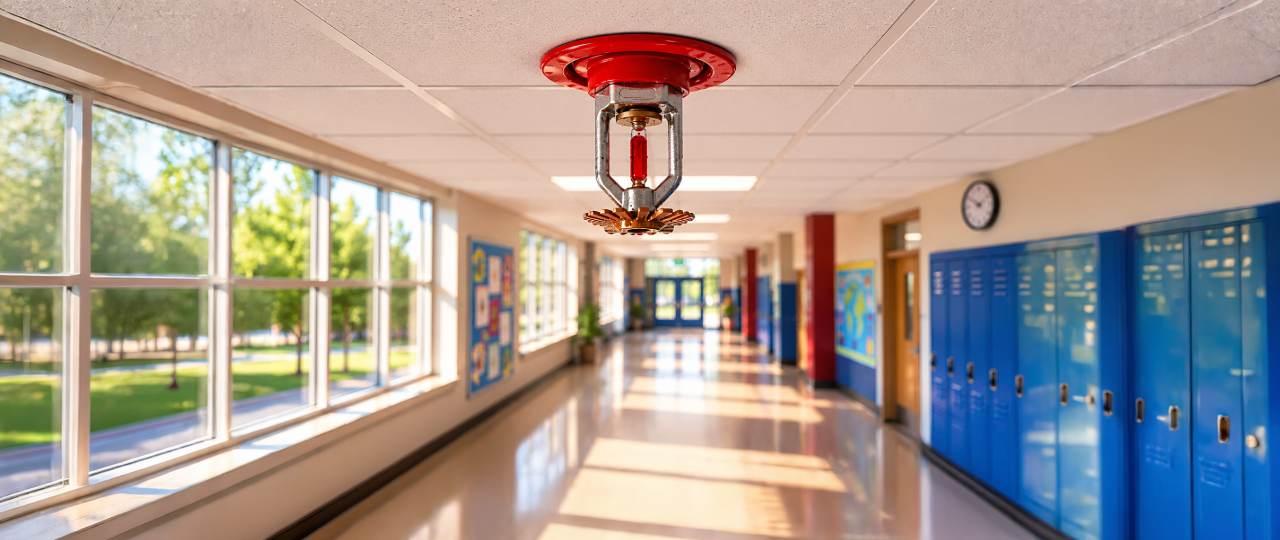
Three sprinkler heads operated, containing and controlling the fire within the laboratory and preventing it from spreading elsewhere in the building. Firefighters subsequently extinguished the remaining fire, with no injuries reported.
The college was closed for four days while the sprinkler system was reinstated and safety checks were completed, with further work required to restore the affected laboratory.
The incident demonstrates the value of sprinkler protection in educational environments, where laboratories, workshops and specialist teaching facilities can present additional fire risks.
Read the full report from BAFSA.
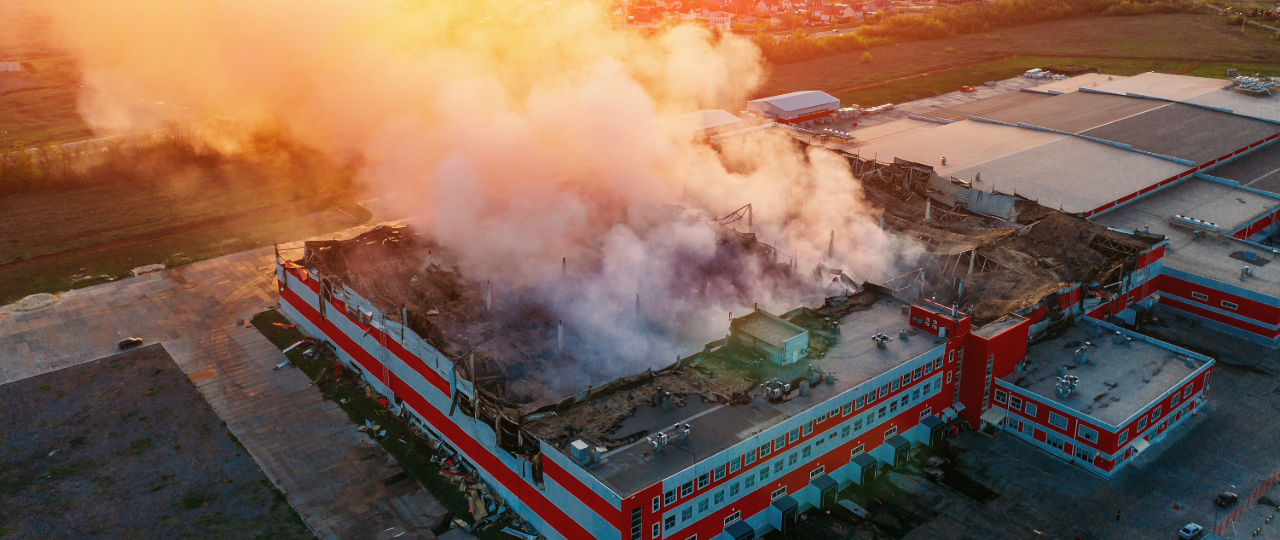
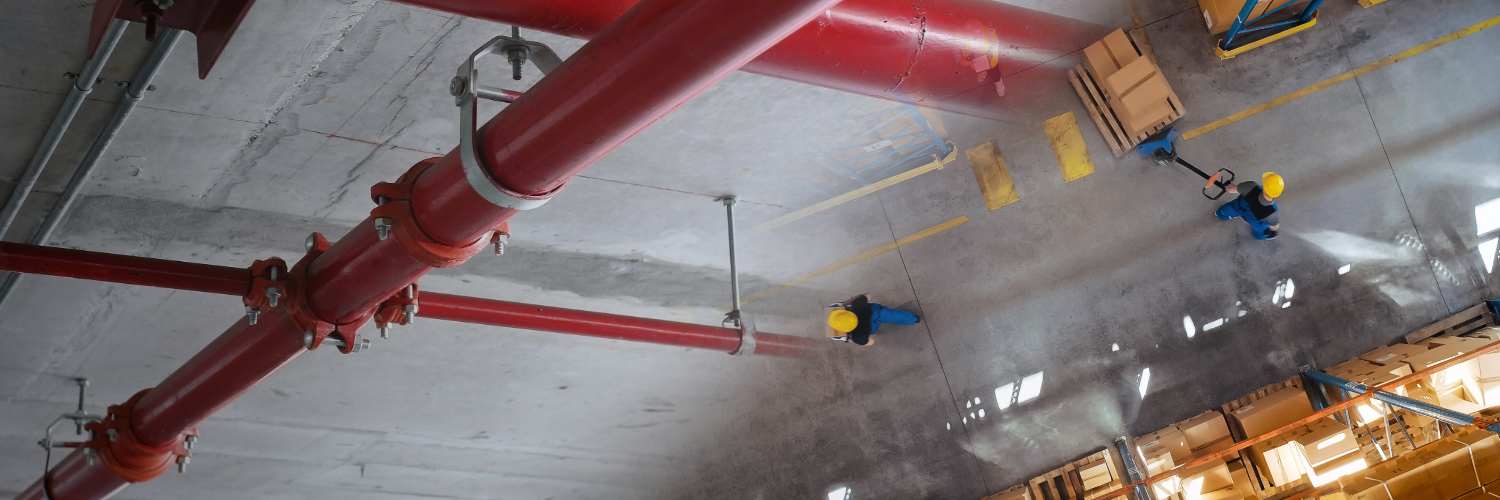
On 23 July 2026, firefighters were called to a confirmed fire at a distribution warehouse on a trading estate in Northamptonshire.
The fire had developed on the building's fifth-floor mezzanine level, within an environment where high storage density and complex building layouts can make firefighting operations particularly challenging.
However, by the time Northamptonshire Fire and Rescue Service arrived, the warehouse's sprinkler system had successfully extinguished the fire.
The affected materials were removed, and firefighters used thermal imaging equipment to check for any remaining hotspots as a precaution. No further firefighting intervention was required.
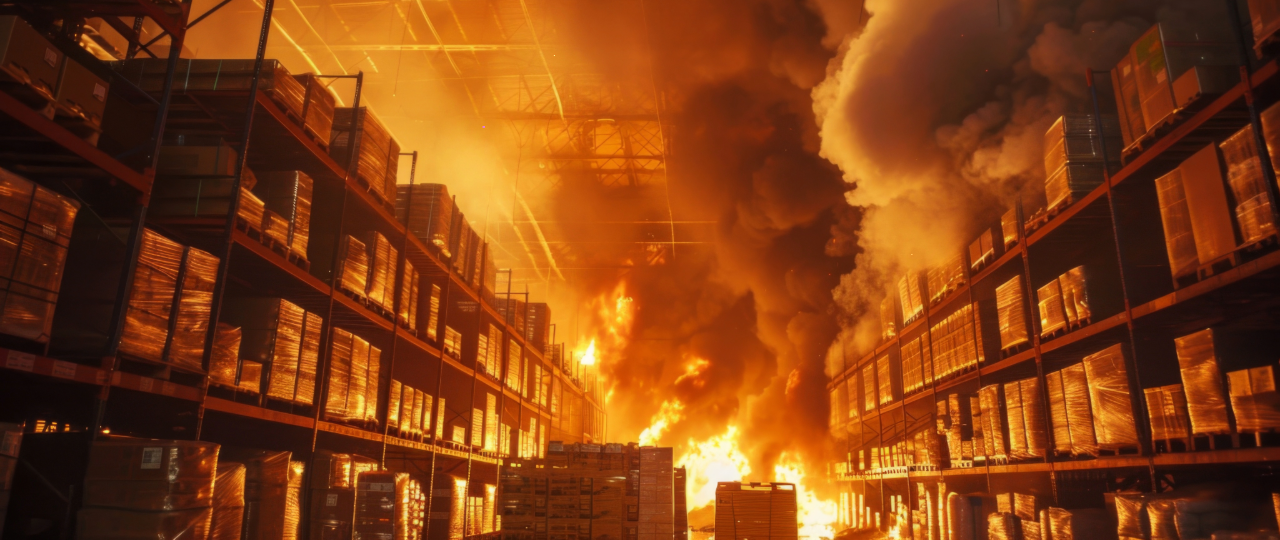
The incident highlights the importance of automatic suppression in large warehouse and distribution facilities, where fires can develop rapidly and become extremely difficult for firefighters to access and tackle manually.
In environments containing substantial quantities of stored goods, effective sprinkler protection can help prevent a localised fire from developing into a much larger incident, potentially avoiding extensive damage to the building, stock and wider operations.
Read the full report from BAFSA.
These two incidents demonstrate the versatility and importance of automatic fire suppression systems across different building types.
Whether protecting a busy educational facility or a large-scale distribution centre, sprinkler systems are designed to respond to developing fires automatically, helping control or extinguish them before they have the opportunity to spread.
Their benefits extend beyond limiting physical damage. In educational settings, they help protect students, staff and visitors. In commercial and industrial environments, they can help safeguard employees, valuable stock, infrastructure and business continuity.
However, installing a sprinkler system is only part of the responsibility. Ensuring it remains operational and ready to perform is equally important.
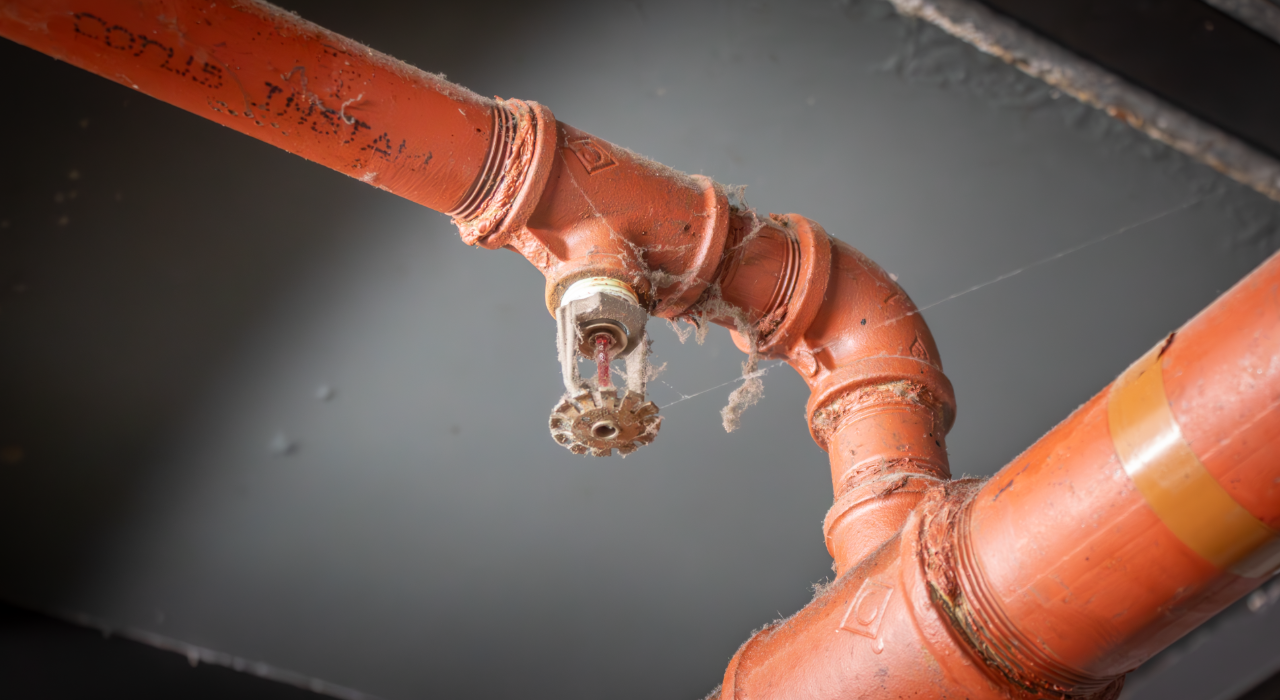
Sprinkler systems can remain inactive for years before being called upon to perform their most important job. During that time, faults, deterioration, changes to building layouts or alterations to water supplies can affect their ability to operate as intended.
Regular inspection, testing and maintenance are therefore essential to maintaining system reliability.
This includes checking critical components, identifying faults, ensuring sprinkler heads remain unobstructed, verifying water supplies and confirming that pumps, valves and associated equipment are operating correctly.
A system that has not been properly maintained may not provide the protection expected of it when a fire occurs.
At A&F Sprinklers, our dedicated Service and Maintenance teams help customers keep their fire sprinkler systems in effective working order. We provide planned servicing, inspections, maintenance and repairs across a range of installations, including systems originally installed by other contractors.
Whether you operate a warehouse, manage an educational facility or are responsible for an existing commercial property, our team can help you look after your sprinkler system and address maintenance requirements.
Fire protection should never be something you only think about when a fire breaks out.
The Manchester college and Northamptonshire warehouse incidents are two further examples of automatic sprinkler systems doing exactly what they are designed to do.
They also reinforce an important message: effective fire protection requires both the right equipment and a commitment to keeping it properly maintained.
At A&F Sprinklers, we are committed to protecting lives and property through the design, installation, servicing and maintenance of reliable fire sprinkler systems.
If you need support with an existing installation or would like to discuss your servicing and maintenance requirements, get in touch with our team.
Because having a sprinkler system is important. Knowing it is ready to work is essential.