The latest global sprinkler saves published by the International Fire Suppression Alliance (IFSA) provide yet more evidence that automatic fire sprinkler systems continue to protect lives, property and businesses every single month.


Posted on
August 4, 2026
By
With more than 40 documented sprinkler saves reported during July 2026, the incidents span a wide variety of occupancies, from residential buildings and schools to factories, warehouses and commercial premises. Despite the diversity of locations and fire causes, the outcome was remarkably consistent:
Where sprinkler systems were installed, fires were controlled before they could develop into devastating incidents.
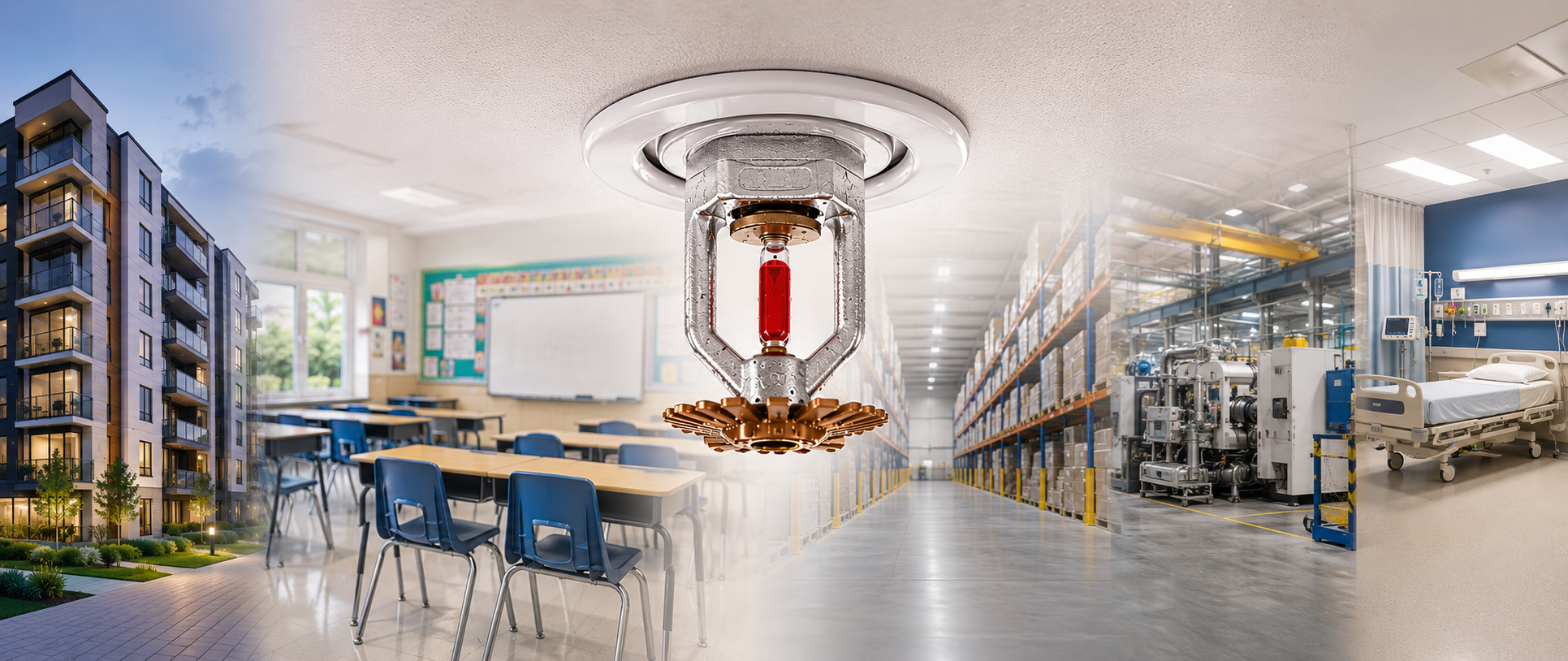
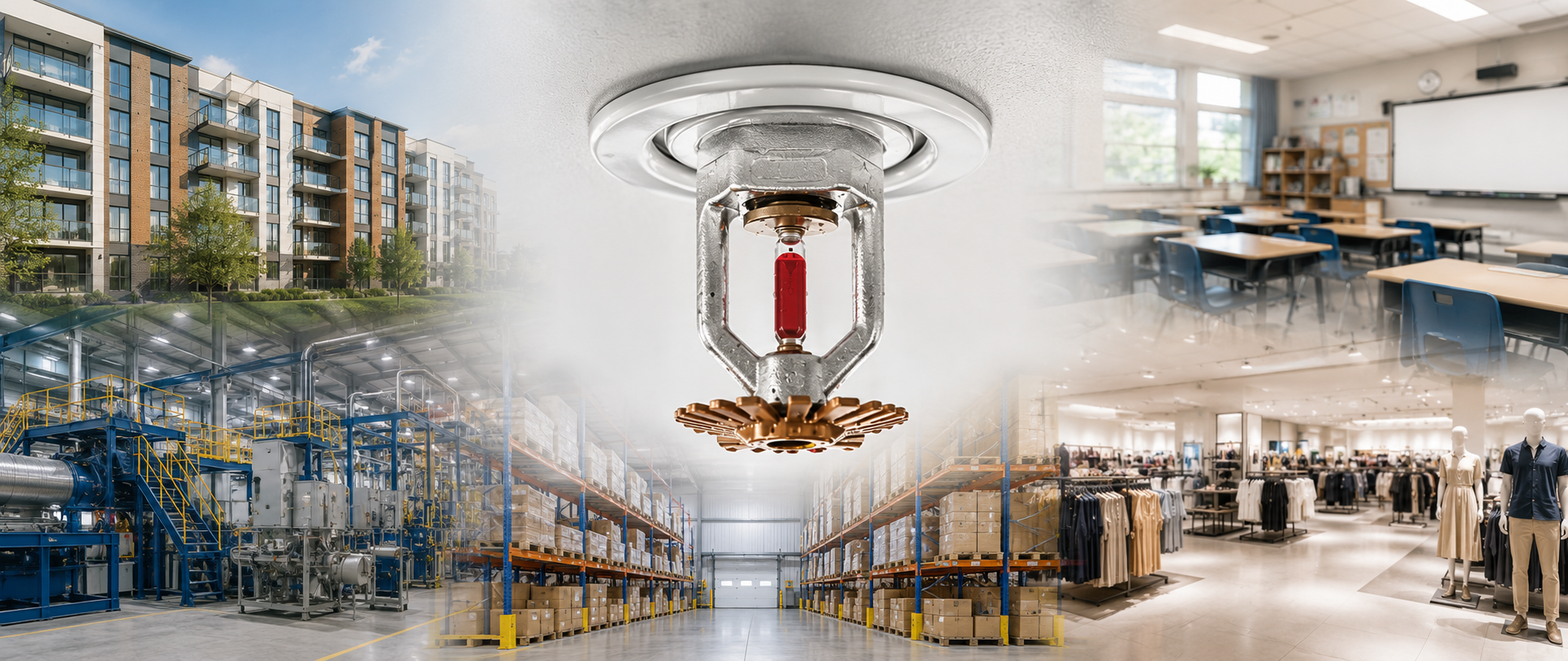
One of the most striking aspects of July's reports is the range of buildings affected.
The incidents include:
This reinforces an important message: no sector is immune from the risk of fire. Whether protecting people at home, safeguarding a school or keeping a manufacturing facility operational, automatic sprinklers continue to provide the earliest line of defence against fire.
As seen throughout the year, residential occupancies remain one of the most frequently represented sectors.
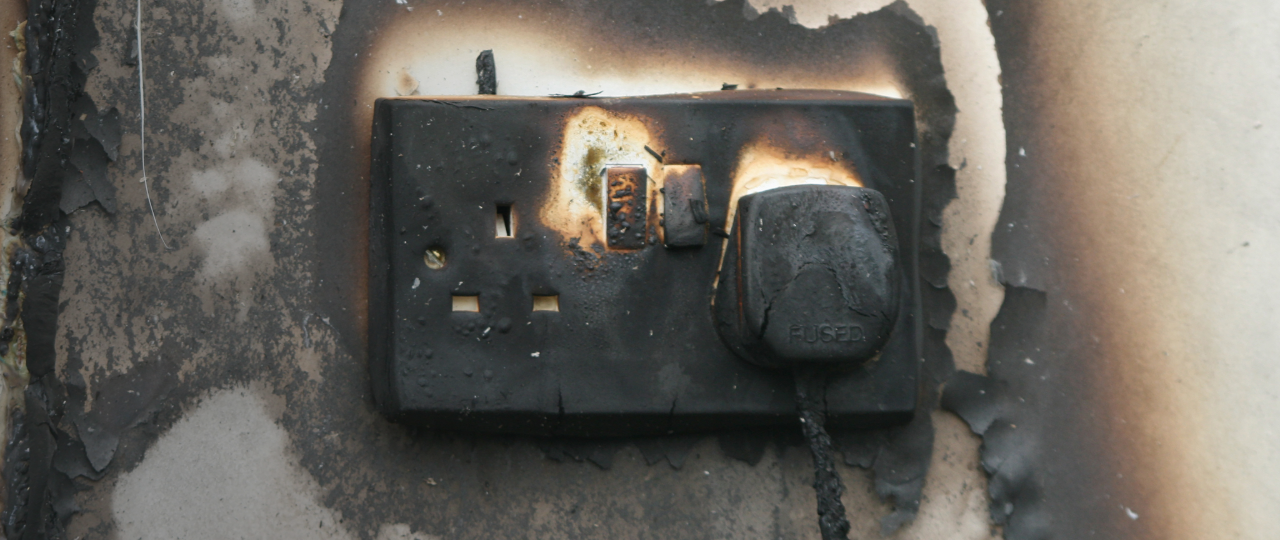
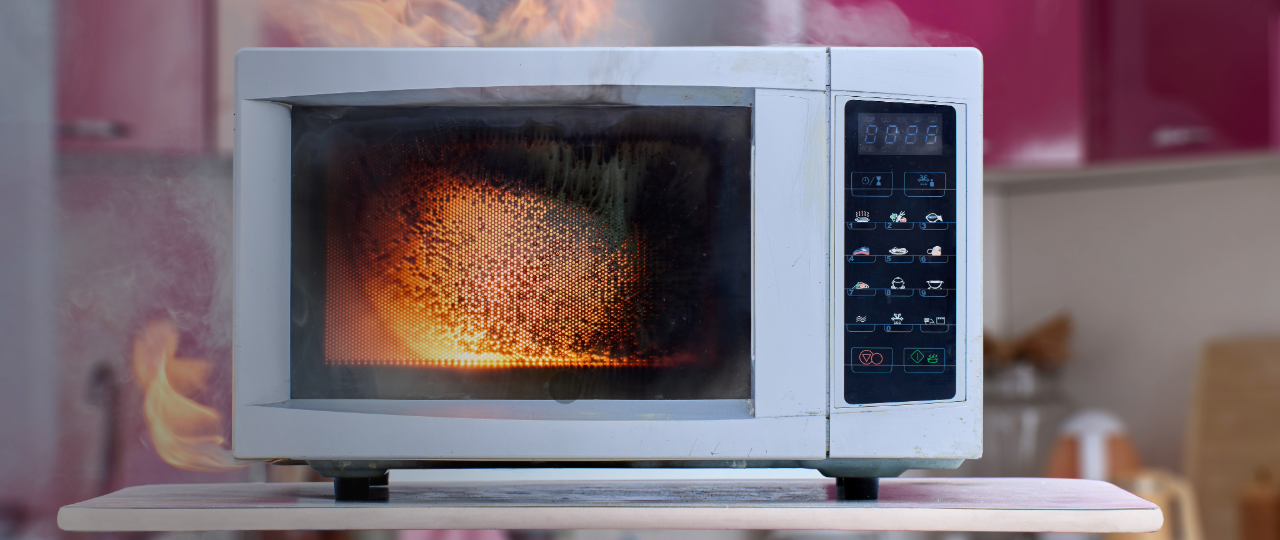
Many of these incidents began with everyday hazards such as:
In numerous cases, just one sprinkler head activated to contain or extinguish the fire, preventing it from spreading beyond the room of origin.
For residents, this often meant the difference between a minor incident and losing an entire home.
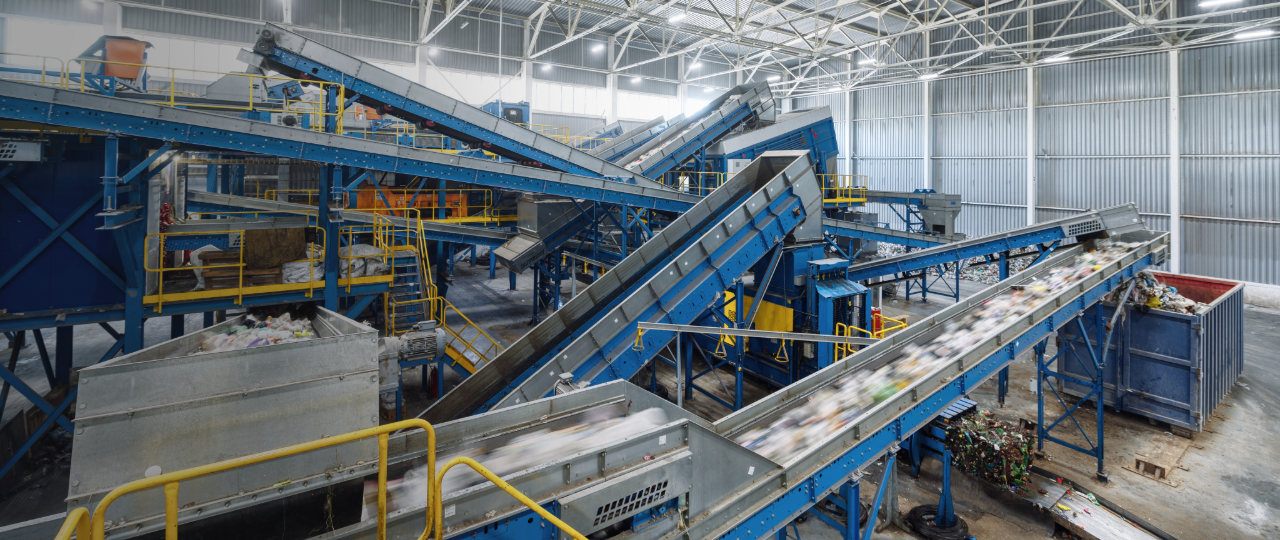
Manufacturing facilities, warehouses and commercial buildings also appeared throughout July's reports.
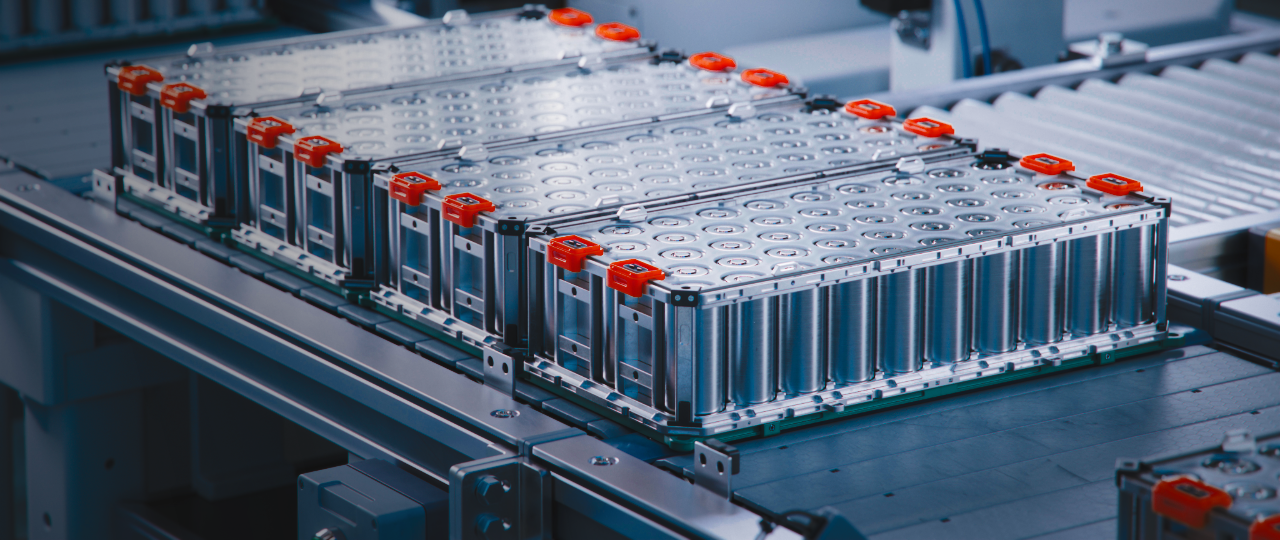
These occupancies often contain:
Without early suppression, even a relatively small fire can quickly result in extensive property damage and prolonged business interruption.
The reported incidents show how sprinkler systems limited damage, protected assets and enabled businesses to recover far more quickly than would otherwise have been possible.
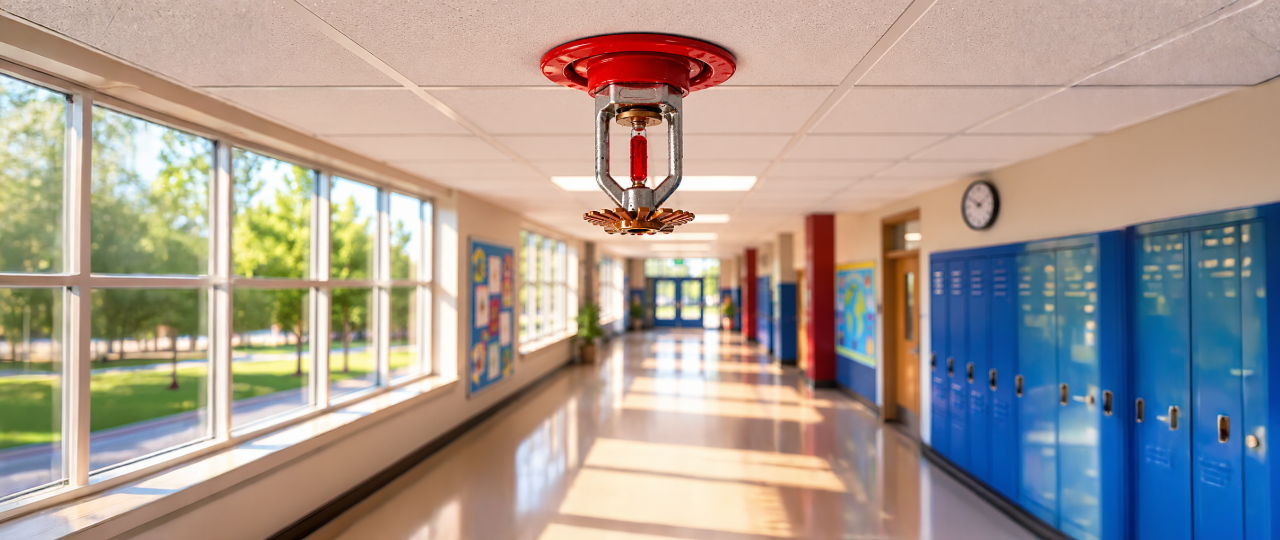
Educational and public buildings also featured during the month.
These environments often accommodate large numbers of occupants and provide essential community services. Early sprinkler activation helps limit fire growth, supports safe evacuation where necessary and reduces the likelihood of long-term disruption caused by extensive fire damage.
Protecting these buildings means protecting far more than bricks and mortar—it protects education, public services and the wider community.
Although every incident is unique, several familiar causes continue to appear throughout the July reports:
While ignition sources vary, the outcome remains consistent when sprinklers are present. Fires are typically controlled at a very early stage, significantly reducing damage and allowing firefighters to complete extinguishment safely.
Looking across the month's incidents, several key themes emerge:
These are not controlled demonstrations or laboratory tests—they are real-world incidents where sprinkler systems performed exactly as they were designed to.
Every sprinkler save adds to an ever-growing body of evidence supporting the effectiveness of automatic fire sprinkler systems.
Month after month, reports from around the world demonstrate the same outcome: fires are detected early, controlled quickly and prevented from becoming catastrophic events.
The July 2026 sprinkler saves are another reminder that investing in automatic fire protection is about far more than regulatory compliance. It's about protecting people, preserving property, maintaining business continuity and reducing the overall impact of fire on our communities.
A big thank you to the International Fire Suppression Alliance, Ltd. for continuing to compile and share these invaluable monthly reports. Read their July report here.
With more than 40 documented sprinkler saves reported during July 2026, the incidents span a wide variety of occupancies, from residential buildings and schools to factories, warehouses and commercial premises. Despite the diversity of locations and fire causes, the outcome was remarkably consistent:
Where sprinkler systems were installed, fires were controlled before they could develop into devastating incidents.
One of the most striking aspects of July's reports is the range of buildings affected.
The incidents include:
This reinforces an important message: no sector is immune from the risk of fire. Whether protecting people at home, safeguarding a school or keeping a manufacturing facility operational, automatic sprinklers continue to provide the earliest line of defence against fire.
As seen throughout the year, residential occupancies remain one of the most frequently represented sectors.
Many of these incidents began with everyday hazards such as:
In numerous cases, just one sprinkler head activated to contain or extinguish the fire, preventing it from spreading beyond the room of origin.
For residents, this often meant the difference between a minor incident and losing an entire home.
Manufacturing facilities, warehouses and commercial buildings also appeared throughout July's reports.
These occupancies often contain:
Without early suppression, even a relatively small fire can quickly result in extensive property damage and prolonged business interruption.
The reported incidents show how sprinkler systems limited damage, protected assets and enabled businesses to recover far more quickly than would otherwise have been possible.
Educational and public buildings also featured during the month.
These environments often accommodate large numbers of occupants and provide essential community services. Early sprinkler activation helps limit fire growth, supports safe evacuation where necessary and reduces the likelihood of long-term disruption caused by extensive fire damage.
Protecting these buildings means protecting far more than bricks and mortar—it protects education, public services and the wider community.
Although every incident is unique, several familiar causes continue to appear throughout the July reports:
While ignition sources vary, the outcome remains consistent when sprinklers are present. Fires are typically controlled at a very early stage, significantly reducing damage and allowing firefighters to complete extinguishment safely.
Looking across the month's incidents, several key themes emerge:
These are not controlled demonstrations or laboratory tests—they are real-world incidents where sprinkler systems performed exactly as they were designed to.
Every sprinkler save adds to an ever-growing body of evidence supporting the effectiveness of automatic fire sprinkler systems.
Month after month, reports from around the world demonstrate the same outcome: fires are detected early, controlled quickly and prevented from becoming catastrophic events.
The July 2026 sprinkler saves are another reminder that investing in automatic fire protection is about far more than regulatory compliance. It's about protecting people, preserving property, maintaining business continuity and reducing the overall impact of fire on our communities.
A big thank you to the International Fire Suppression Alliance, Ltd. for continuing to compile and share these invaluable monthly reports. Read their July report here.




.png)



















.png)


.png)


.png)


.svg)