Posted on
May 6, 2026
By
The latest April 2026 sprinkler saves published by the International Fire Suppression Alliance (IFSA) continue to demonstrate the consistent, real-world effectiveness of automatic fire sprinkler systems.
While each incident is unique, the collective data paints a clear picture of where fires are occurring, how they start, and—most importantly—how quickly they are controlled when sprinklers are present.

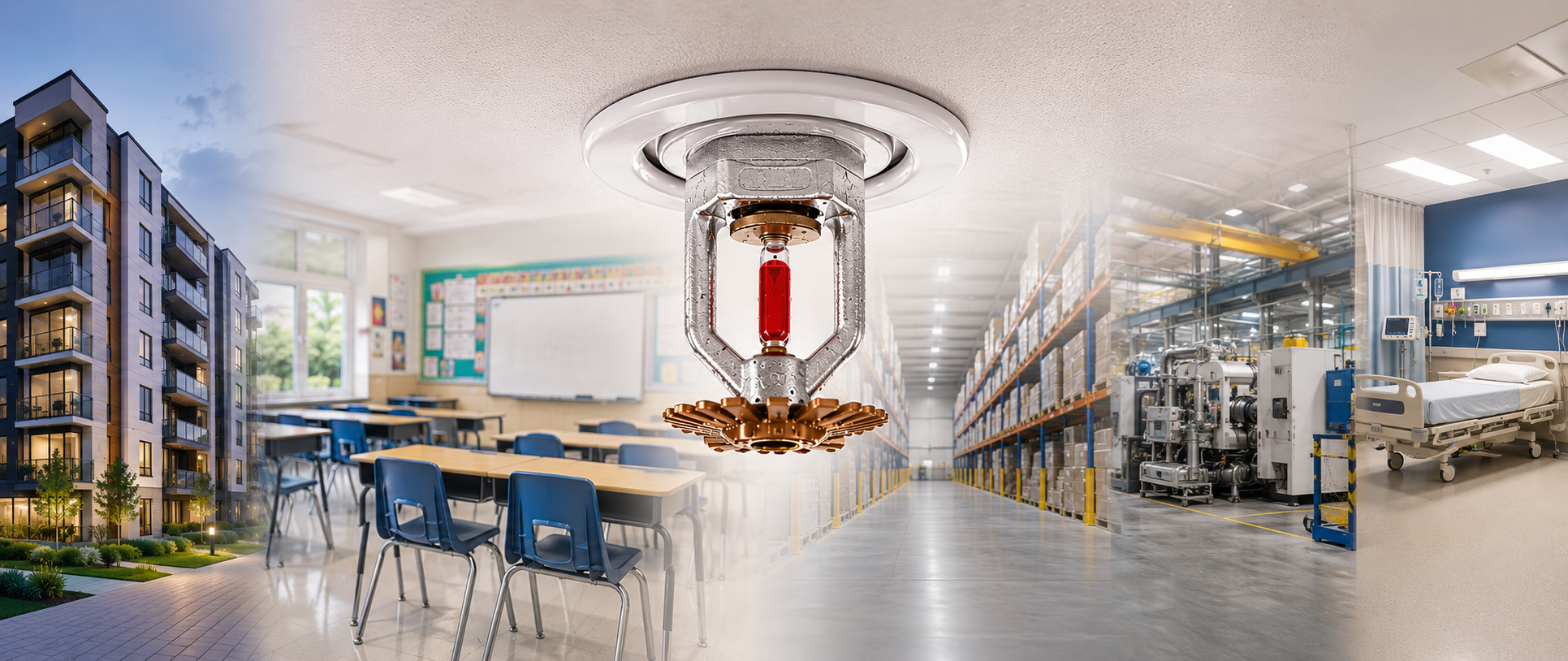
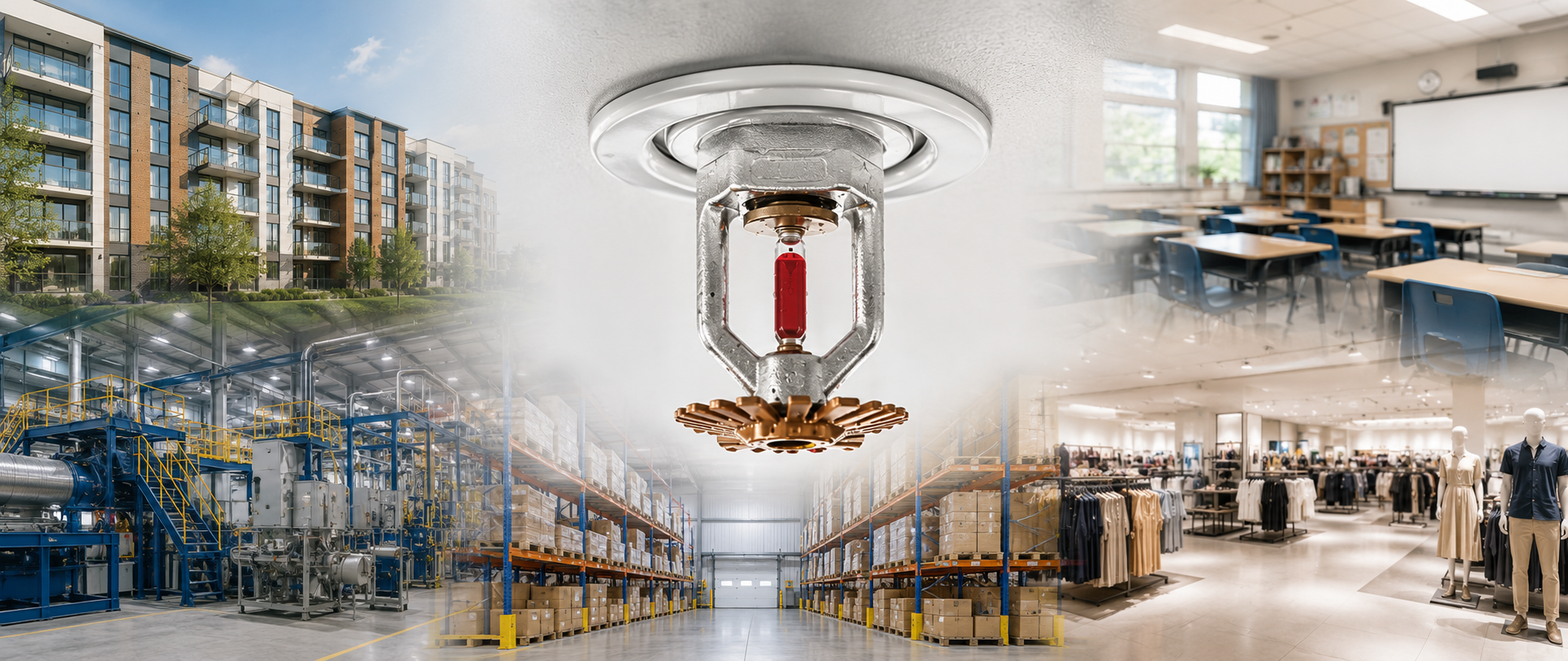
April’s sprinkler saves span a wide range of industries and environments, including:
This diversity reinforces a key point:
Fire risk exists across all sectors—but outcomes change dramatically when sprinklers are installed.
A significant portion of April’s incidents occurred in industrial settings, where fire loads and operational risks are typically higher.
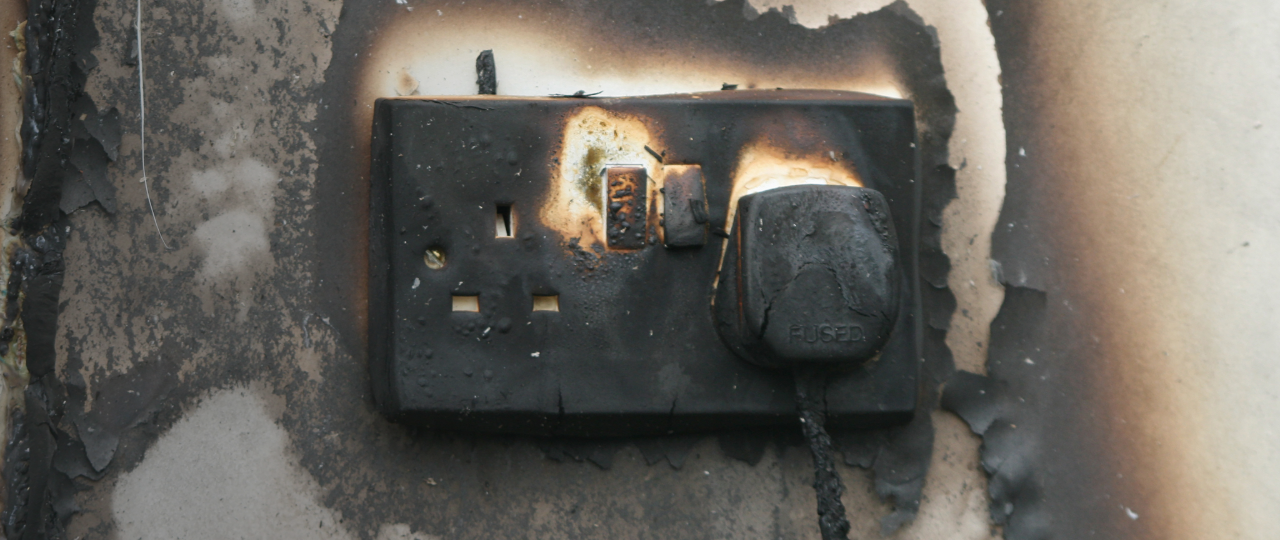
One example involved a factory fire caused by an electrical fault, where nearby combustible materials quickly ignited. However, the sprinkler system activated rapidly, extinguishing the fire before emergency services arrived.
In these environments, fires can escalate within minutes due to:
Sprinklers play a critical role in:

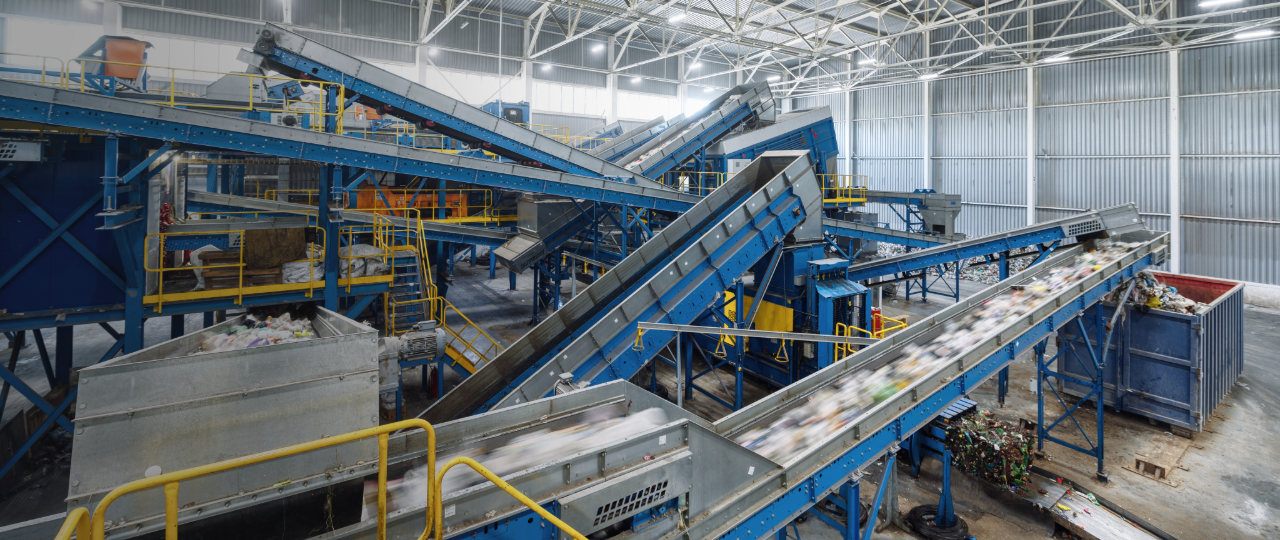
April also highlighted incidents in waste management environments, which present particularly challenging fire conditions.
In one reported case in Japan, smoke was detected in a combustible waste pit, a scenario with significant potential for rapid spread. The sprinkler system activated and extinguished the fire on-site—before fire crews were even required to intervene.
These environments often involve:
Sprinklers provide immediate, localised suppression—often the only practical way to control a fire at its earliest stage.
Commercial premises also featured in April’s data, with incidents typically involving:
As seen in previous months, sprinklers in these environments:
Across all April incidents, a consistent pattern emerges:
This aligns with the fundamental design purpose of sprinkler systems:
To act immediately, precisely, and effectively—before a fire can develop into a major incident.

From this month’s data, several key trends stand out:
Many incidents originated from electrical sources, particularly in industrial environments.
Several fires occurred when no one was present—highlighting the importance of automatic protection.
Facilities such as factories and waste plants demonstrate the greatest contrast between protected vs. unprotected outcomes.
For businesses operating in manufacturing, warehousing & logistics, and waste & recycling, April’s sprinkler saves provide clear, real-world evidence that:
Fire sprinklers are not just reactive—they are proactive protection systems.
They:
The April 2026 data from IFSA reinforces a message the industry already knows—but continues to prove month after month:
Where sprinklers are installed, fires are controlled.
From factories in China to waste facilities in Japan, the outcome is consistent:
This data has come from the International Fire Suppression Alliance. You can check out their list and look into each case here: https://www.ifsaglobal.org/april-2026-sprinkler-saves/
The latest April 2026 sprinkler saves published by the International Fire Suppression Alliance (IFSA) continue to demonstrate the consistent, real-world effectiveness of automatic fire sprinkler systems.
While each incident is unique, the collective data paints a clear picture of where fires are occurring, how they start, and—most importantly—how quickly they are controlled when sprinklers are present.
April’s sprinkler saves span a wide range of industries and environments, including:
This diversity reinforces a key point:
Fire risk exists across all sectors—but outcomes change dramatically when sprinklers are installed.
A significant portion of April’s incidents occurred in industrial settings, where fire loads and operational risks are typically higher.
One example involved a factory fire caused by an electrical fault, where nearby combustible materials quickly ignited. However, the sprinkler system activated rapidly, extinguishing the fire before emergency services arrived.
In these environments, fires can escalate within minutes due to:
Sprinklers play a critical role in:
April also highlighted incidents in waste management environments, which present particularly challenging fire conditions.
In one reported case in Japan, smoke was detected in a combustible waste pit, a scenario with significant potential for rapid spread. The sprinkler system activated and extinguished the fire on-site—before fire crews were even required to intervene.
These environments often involve:
Sprinklers provide immediate, localised suppression—often the only practical way to control a fire at its earliest stage.
Commercial premises also featured in April’s data, with incidents typically involving:
As seen in previous months, sprinklers in these environments:
Across all April incidents, a consistent pattern emerges:
This aligns with the fundamental design purpose of sprinkler systems:
To act immediately, precisely, and effectively—before a fire can develop into a major incident.
From this month’s data, several key trends stand out:
Many incidents originated from electrical sources, particularly in industrial environments.
Several fires occurred when no one was present—highlighting the importance of automatic protection.
Facilities such as factories and waste plants demonstrate the greatest contrast between protected vs. unprotected outcomes.
For businesses operating in manufacturing, warehousing & logistics, and waste & recycling, April’s sprinkler saves provide clear, real-world evidence that:
Fire sprinklers are not just reactive—they are proactive protection systems.
They:
The April 2026 data from IFSA reinforces a message the industry already knows—but continues to prove month after month:
Where sprinklers are installed, fires are controlled.
From factories in China to waste facilities in Japan, the outcome is consistent:
This data has come from the International Fire Suppression Alliance. You can check out their list and look into each case here: https://www.ifsaglobal.org/april-2026-sprinkler-saves/






.png)
























.png)


.png)


.png)


.svg)