A recent fire in specialised housing in Greater London provides another powerful real-world example of the difference an automatic fire suppression system can make.


Posted on
September 8, 2026
By
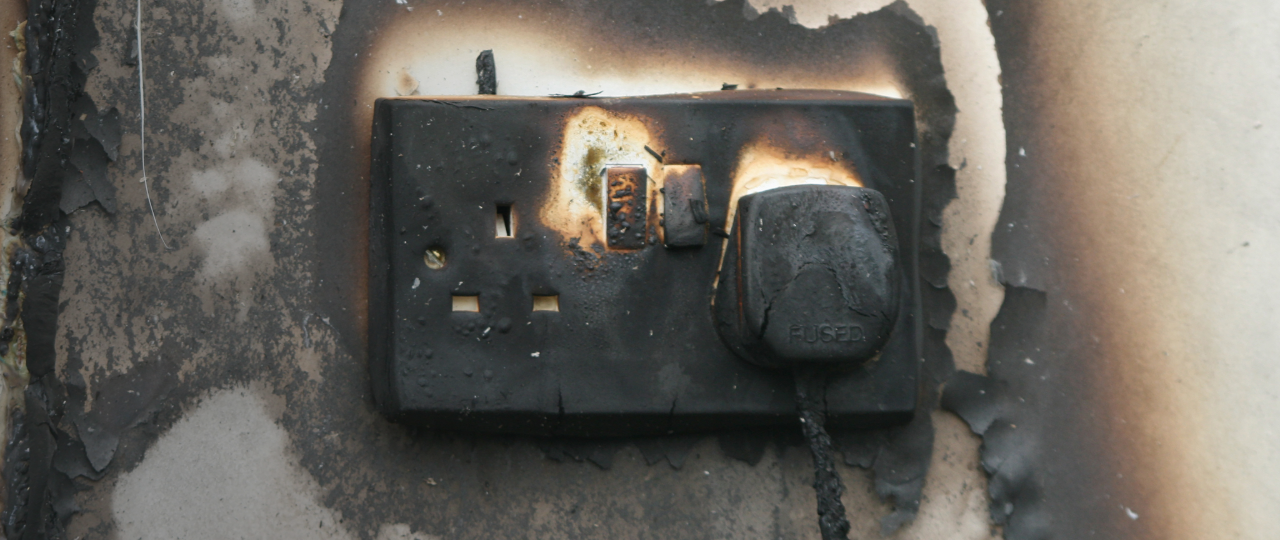
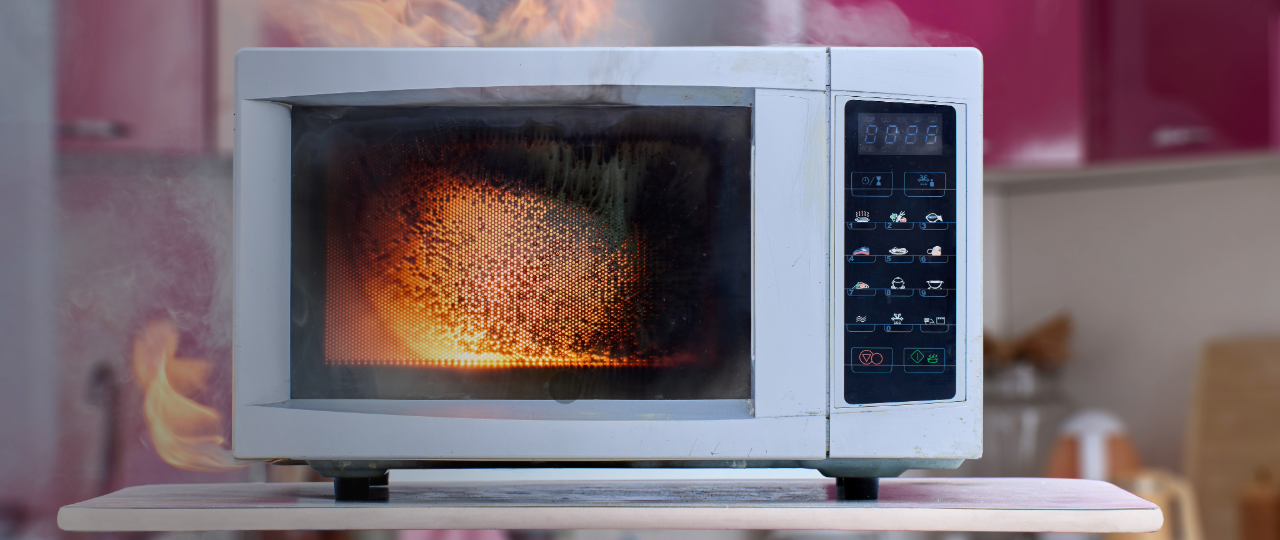
On 30 July 2026, a fire involving an electrical item broke out within a bedroom at an affordable later-living housing scheme in Greater London.
The building's automatic sprinkler system activated, containing and extinguishing the fire within the room of origin. The alarm was also raised through the building's remotely monitored system, allowing the incident to be dealt with quickly.
Most importantly, there were no injuries and the fire did not spread beyond the room where it started.
There was still some damage to the bedroom, including ceilings, walls and carpets, but the outcome could have been very different had the fire been allowed to develop unchecked.
This is exactly where automatic fire suppression systems demonstrate their value.
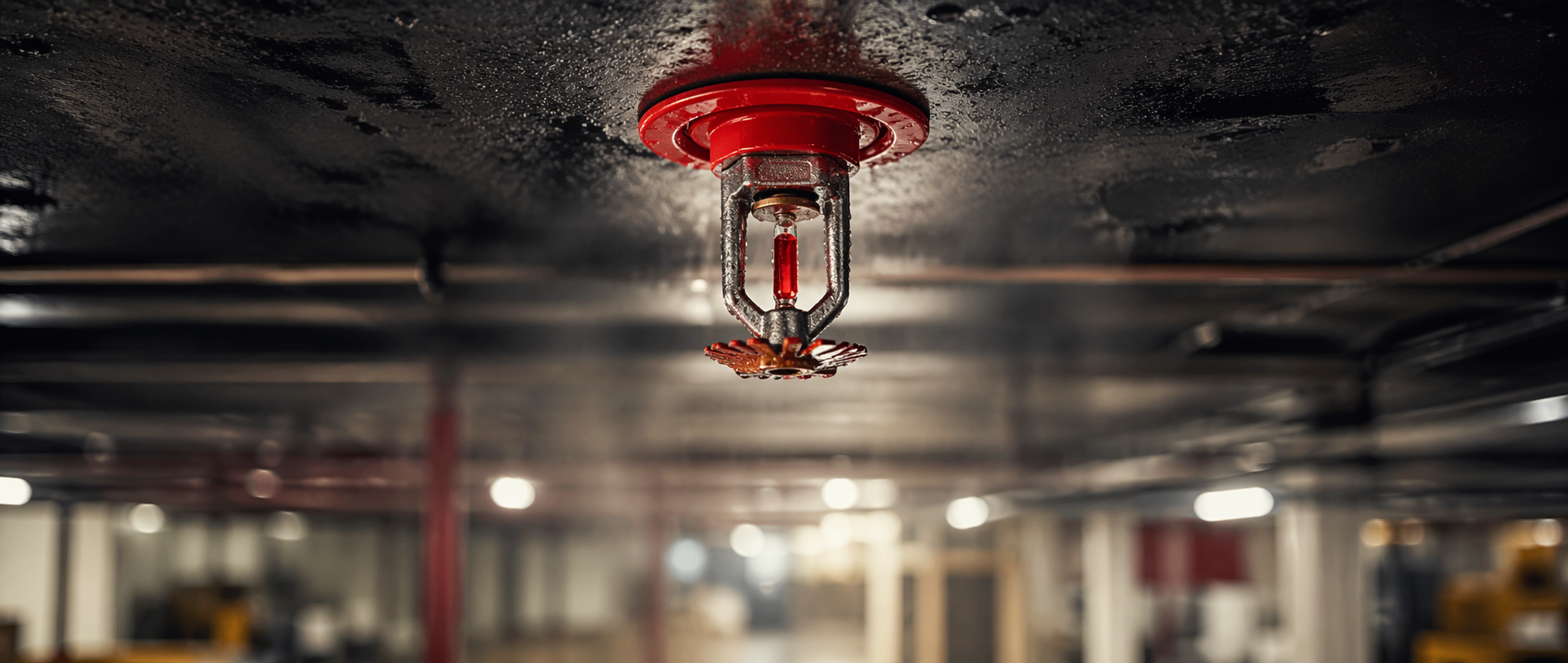
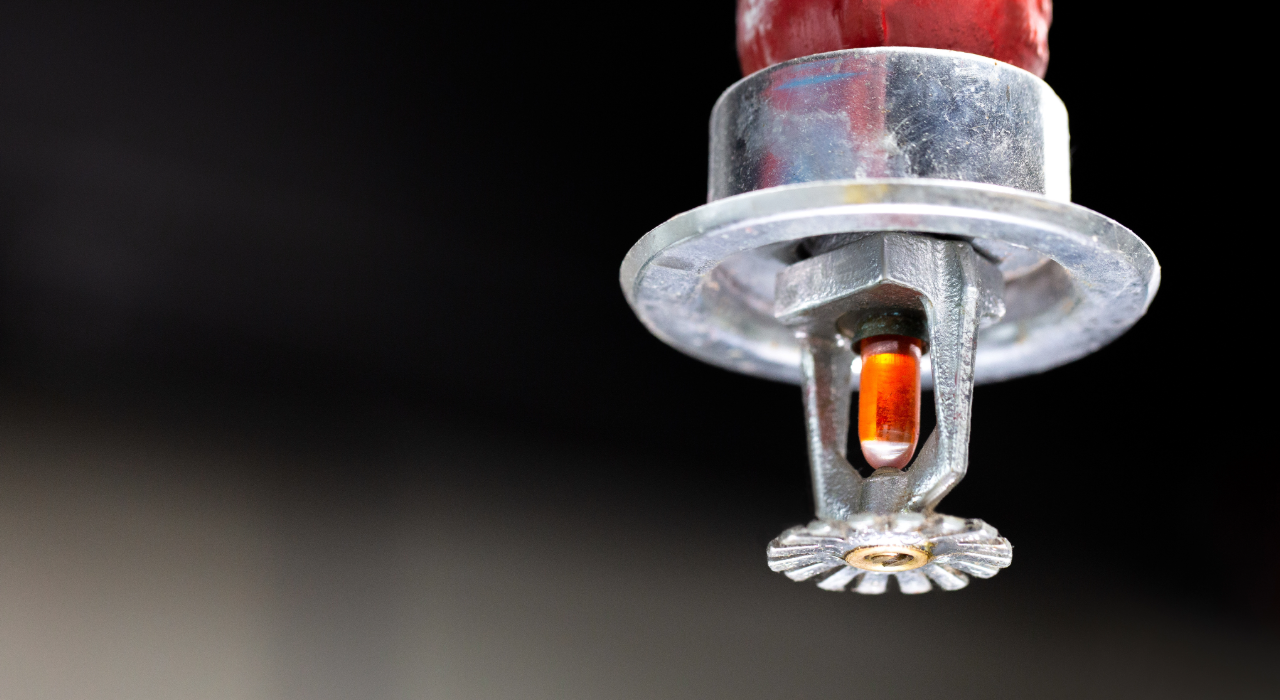
Sprinklers are designed to respond to a developing fire at an early stage, applying water directly where it is needed to control or extinguish the fire. Rather than waiting for a fire to grow and spread before intervention, an automatic suppression system can begin tackling the fire before it has the opportunity to escalate.
The Greater London incident is a straightforward example of that principle in action.
One sprinkler head activated and contained the fire to the room of origin. This limited the potential for fire and smoke to spread throughout the building, reduced the risk to residents and firefighters, and significantly limited the resulting property damage.
It is also an important reminder that fire suppression isn't just about protecting buildings – it is about protecting the people inside them.
The incident occurred in a later-living scheme containing 75 self-contained flats and communal areas. This makes the effectiveness of the sprinkler system particularly significant.
Residents of specialised and later-living housing may be more vulnerable during a fire because of factors such as reduced mobility, sensory impairment or cognitive difficulties. Being able to respond quickly, evacuate independently or recognise the developing danger of a fire cannot always be taken for granted.
An automatic suppression system provides an additional layer of protection by acting immediately, without relying on somebody being present to discover the fire and raise the alarm.
That early intervention can make a crucial difference.
One of the most valuable aspects of incidents such as this is that they provide real-world evidence of automatic fire suppression systems doing exactly what they are designed to do.
Statistics and technical guidance are important, but an actual incident provides something tangible: a fire started, a sprinkler activated, the fire was controlled and extinguished, and residents were protected from what could otherwise have become a much more serious event.
This is why organisations such as the British Automatic Fire Sprinkler Association (BAFSA) play such an important role in documenting sprinkler activations and sharing these examples with the wider industry.
BAFSA's Sprinkler Saves initiative brings together reports of real incidents where automatic water-based suppression systems have helped control or extinguish fires. The growing collection provides an invaluable evidence base for demonstrating the effectiveness of these systems and challenging some of the misconceptions that still surround sprinklers.
We would like to thank BAFSA for continuing to collect, document and share these incidents, and for providing such a reliable source of information for the fire protection industry.
You can read BAFSA's full report on this incident here:
Sprinklers Extinguish Greater London Specialised Housing Scheme Fire – BAFSA
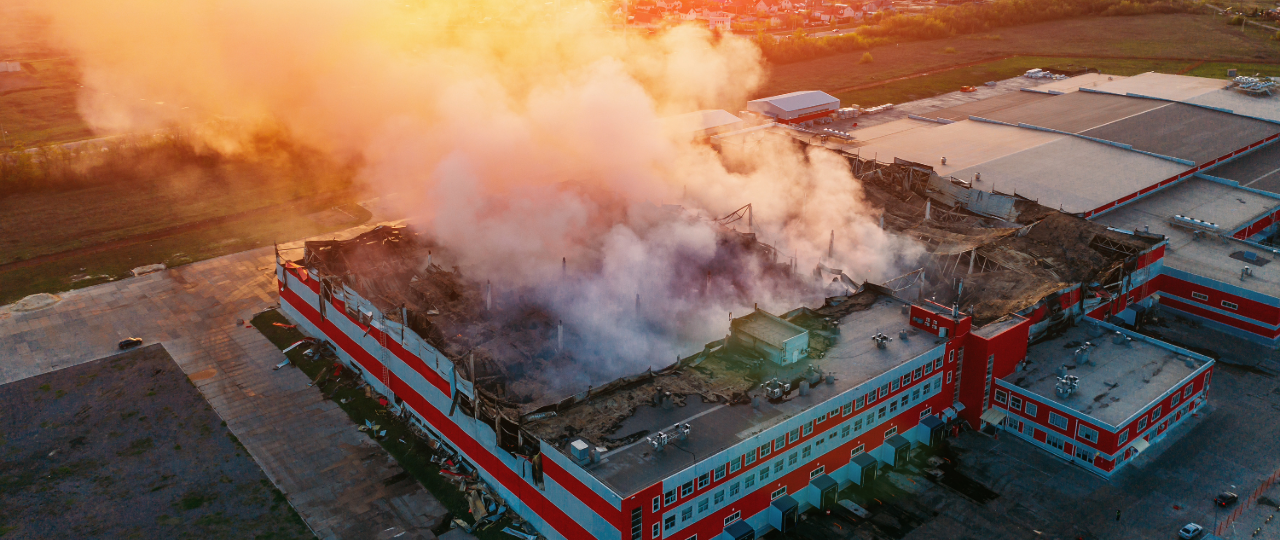
No fire is ever desirable, and sprinklers do not mean a building will escape all damage. What they can do is intervene early, control the development of a fire and dramatically reduce its potential consequences.
That is precisely what happened in this case.
For us, incidents like this reinforce why automatic fire suppression systems should be considered an important part of a comprehensive fire safety strategy – particularly in buildings where residents may be more vulnerable and where the consequences of a rapidly developing fire can be especially severe.
The best time for a sprinkler system to prove its value is when you never expected to need it.
On 30 July 2026, a fire involving an electrical item broke out within a bedroom at an affordable later-living housing scheme in Greater London.
The building's automatic sprinkler system activated, containing and extinguishing the fire within the room of origin. The alarm was also raised through the building's remotely monitored system, allowing the incident to be dealt with quickly.
Most importantly, there were no injuries and the fire did not spread beyond the room where it started.
There was still some damage to the bedroom, including ceilings, walls and carpets, but the outcome could have been very different had the fire been allowed to develop unchecked.
This is exactly where automatic fire suppression systems demonstrate their value.
Sprinklers are designed to respond to a developing fire at an early stage, applying water directly where it is needed to control or extinguish the fire. Rather than waiting for a fire to grow and spread before intervention, an automatic suppression system can begin tackling the fire before it has the opportunity to escalate.
The Greater London incident is a straightforward example of that principle in action.
One sprinkler head activated and contained the fire to the room of origin. This limited the potential for fire and smoke to spread throughout the building, reduced the risk to residents and firefighters, and significantly limited the resulting property damage.
It is also an important reminder that fire suppression isn't just about protecting buildings – it is about protecting the people inside them.
The incident occurred in a later-living scheme containing 75 self-contained flats and communal areas. This makes the effectiveness of the sprinkler system particularly significant.
Residents of specialised and later-living housing may be more vulnerable during a fire because of factors such as reduced mobility, sensory impairment or cognitive difficulties. Being able to respond quickly, evacuate independently or recognise the developing danger of a fire cannot always be taken for granted.
An automatic suppression system provides an additional layer of protection by acting immediately, without relying on somebody being present to discover the fire and raise the alarm.
That early intervention can make a crucial difference.
One of the most valuable aspects of incidents such as this is that they provide real-world evidence of automatic fire suppression systems doing exactly what they are designed to do.
Statistics and technical guidance are important, but an actual incident provides something tangible: a fire started, a sprinkler activated, the fire was controlled and extinguished, and residents were protected from what could otherwise have become a much more serious event.
This is why organisations such as the British Automatic Fire Sprinkler Association (BAFSA) play such an important role in documenting sprinkler activations and sharing these examples with the wider industry.
BAFSA's Sprinkler Saves initiative brings together reports of real incidents where automatic water-based suppression systems have helped control or extinguish fires. The growing collection provides an invaluable evidence base for demonstrating the effectiveness of these systems and challenging some of the misconceptions that still surround sprinklers.
We would like to thank BAFSA for continuing to collect, document and share these incidents, and for providing such a reliable source of information for the fire protection industry.
You can read BAFSA's full report on this incident here:
Sprinklers Extinguish Greater London Specialised Housing Scheme Fire – BAFSA
No fire is ever desirable, and sprinklers do not mean a building will escape all damage. What they can do is intervene early, control the development of a fire and dramatically reduce its potential consequences.
That is precisely what happened in this case.
For us, incidents like this reinforce why automatic fire suppression systems should be considered an important part of a comprehensive fire safety strategy – particularly in buildings where residents may be more vulnerable and where the consequences of a rapidly developing fire can be especially severe.
The best time for a sprinkler system to prove its value is when you never expected to need it.






.png)





















.png)


.png)


.png)


.svg)