Posted on
June 2, 2026
By
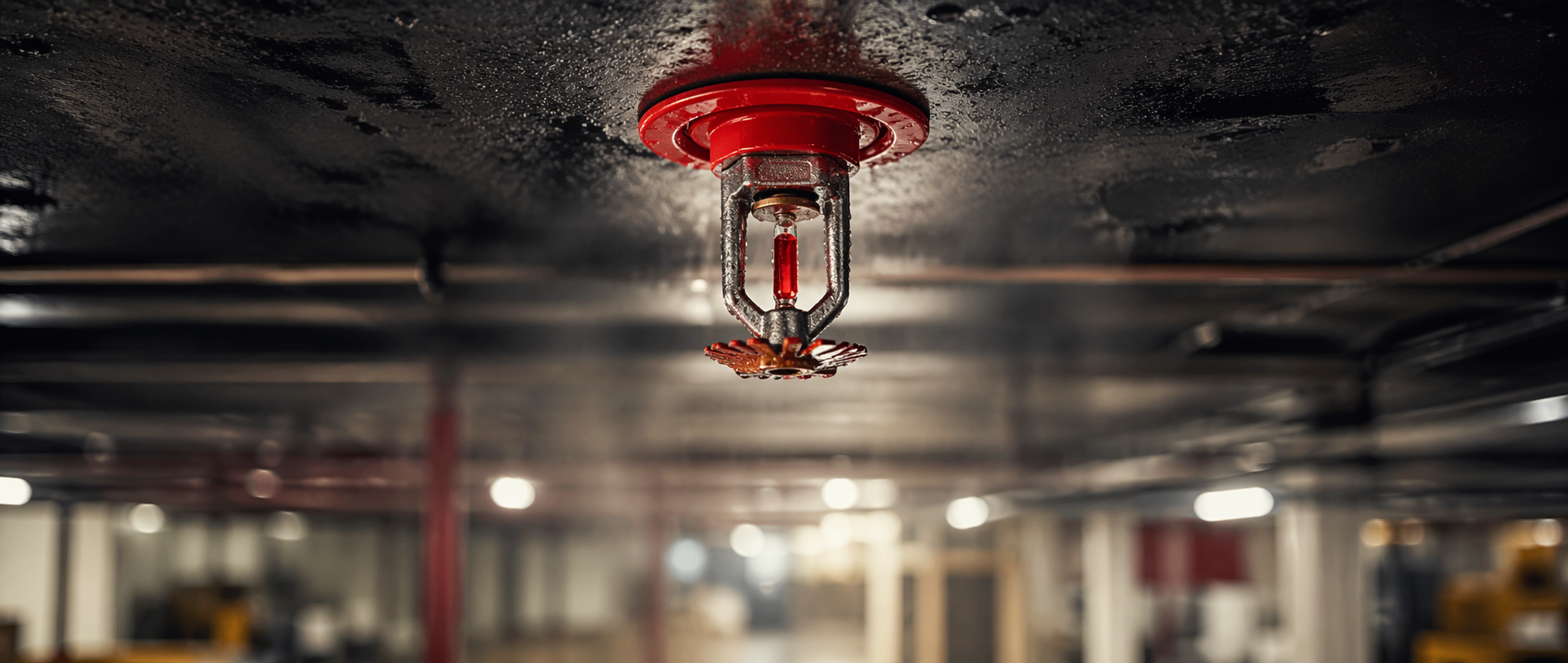
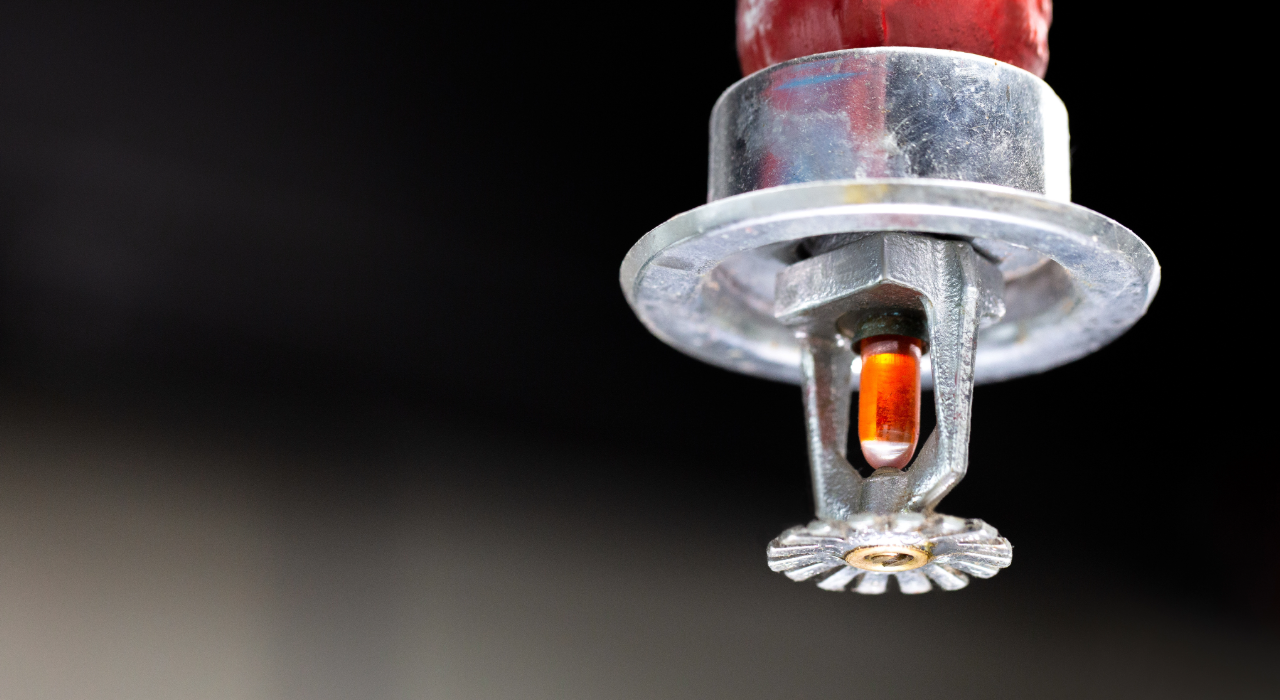
The latest sprinkler saves published by the International Fire Suppression Alliance (IFSA) demonstrate once again why automatic fire sprinkler systems remain one of the most effective forms of fire protection available.
The May 2026 incidents span a broad range of occupancies, from apartment buildings and schools to industrial facilities, recycling centres and commercial premises. Despite the variety of locations and fire causes, a common theme runs throughout the reports:
The fires were controlled early, damage was limited, and lives were protected because sprinklers activated when they were needed most.
As with previous months, residential buildings feature heavily throughout May's sprinkler saves.
Many of the reported incidents involved:
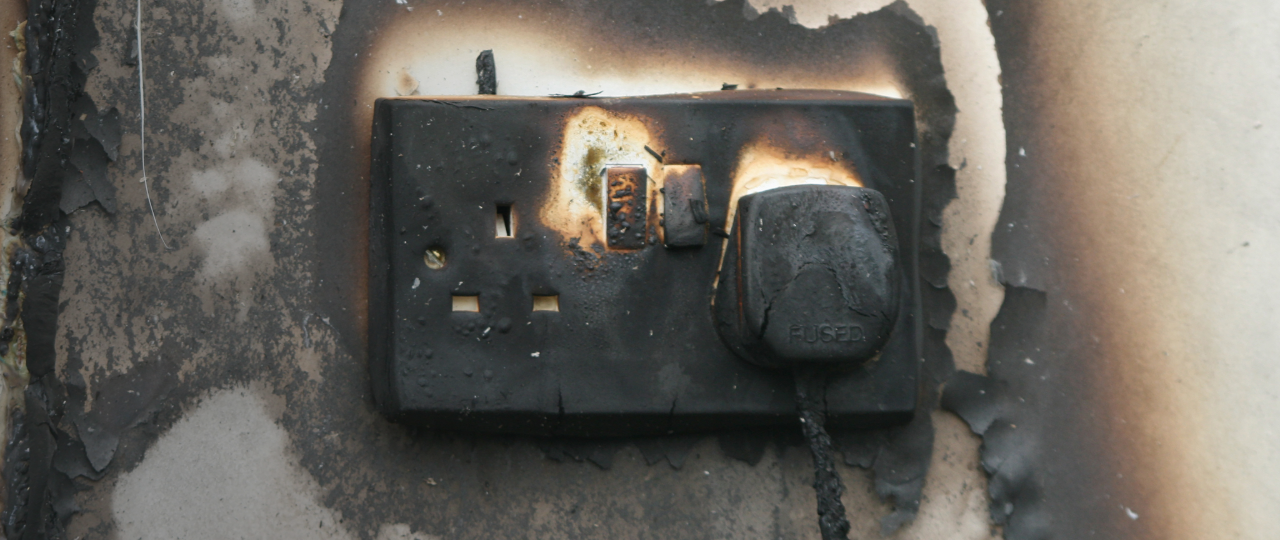
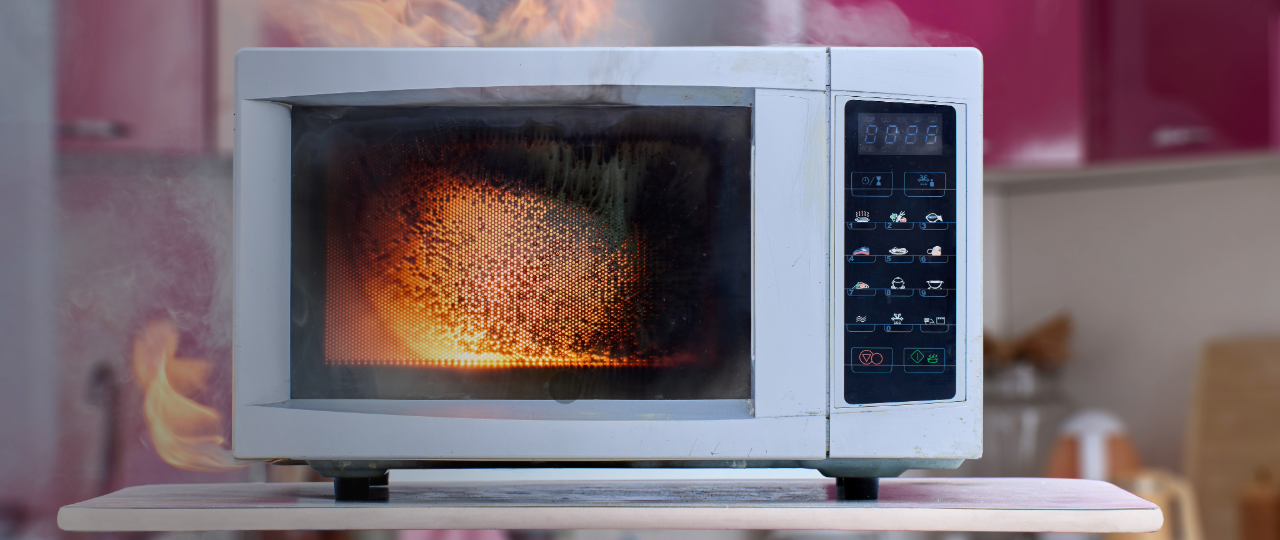
Several fires originated from everyday hazards such as cooking equipment, dryers and electrical appliances. In many cases, a single sprinkler head was sufficient to either extinguish the fire completely or prevent it from spreading beyond the room of origin.
These incidents serve as a reminder that while residential fires are often relatively small at the point of ignition, they can escalate rapidly without automatic suppression.
May also featured a number of incidents within manufacturing and industrial environments.
Electrical faults, machinery-related fires and process equipment failures continue to be common ignition sources in these settings. Fortunately, sprinkler systems intervened before fires could develop into large-scale incidents that may have disrupted operations, damaged equipment or threatened jobs.
For industrial facilities, the value of sprinklers extends far beyond life safety. They play a crucial role in:

Educational buildings also featured in May's reports.
One school fire was quickly contained after a sprinkler system activated following a fault in building equipment, preventing the fire from spreading into occupied areas. Similar incidents in educational environments continue to highlight the importance of protecting buildings that accommodate large numbers of people each day.
Assembly occupancies, including venues that host large gatherings, also appeared in the month's data. In one case, a concession stand fire was extinguished by the sprinkler system before it could threaten spectators or spread throughout the venue.
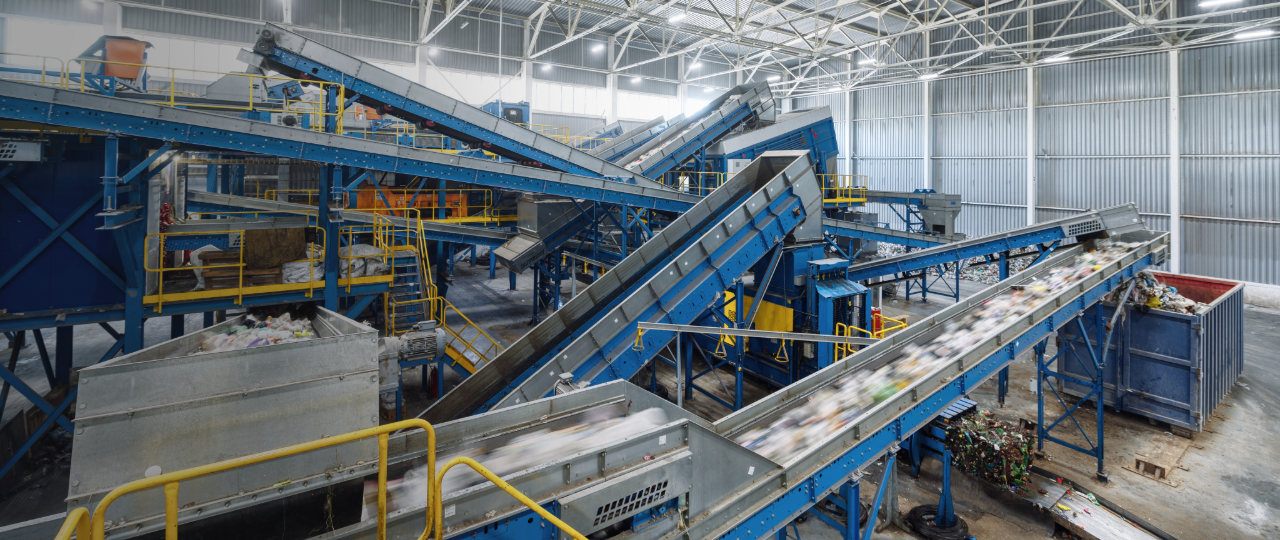
Waste handling and recycling facilities once again featured among the reported saves.
These occupancies present unique challenges due to the volume and variety of combustible materials often stored or processed on-site. Fires can develop unnoticed and spread rapidly if not detected and controlled immediately.
The reported incidents demonstrate how sprinklers provide critical first-response protection, controlling fires long before firefighters can arrive and deploy resources.
Reviewing the May incidents reveals several recurring causes of fire:
While the causes differ, the outcome remains remarkably consistent. Where sprinkler systems were installed and maintained, fires were controlled at an early stage and prevented from developing into major emergencies.
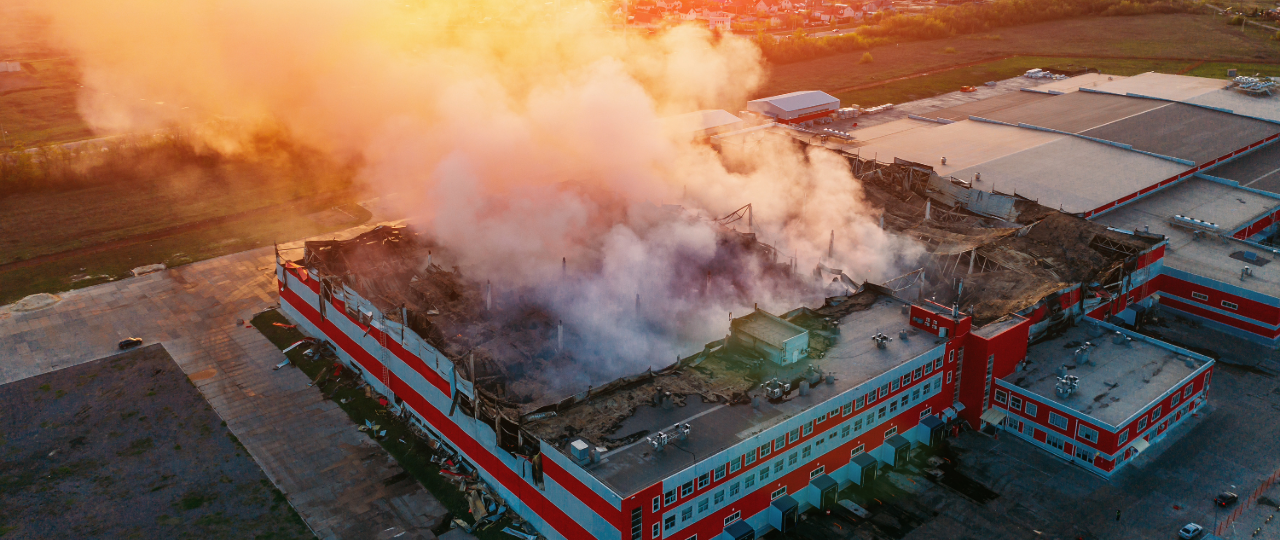
Perhaps the most important lesson from May's sprinkler saves is that fires rarely begin as major incidents.
Most start as small, manageable events. The difference between a minor interruption and a catastrophic loss is often whether an effective suppression system is present to act immediately.
Across residential buildings, industrial facilities, schools and commercial premises, the May 2026 reports provide further evidence that automatic fire sprinklers continue to do exactly what they are designed to do:
Control fires early, protect occupants and minimise damage.
For building owners, operators and responsible persons, these real-world examples reinforce a simple but powerful message: when fire occurs, every second matters—and sprinklers are often the first line of defence.
The latest sprinkler saves published by the International Fire Suppression Alliance (IFSA) demonstrate once again why automatic fire sprinkler systems remain one of the most effective forms of fire protection available.
The May 2026 incidents span a broad range of occupancies, from apartment buildings and schools to industrial facilities, recycling centres and commercial premises. Despite the variety of locations and fire causes, a common theme runs throughout the reports:
The fires were controlled early, damage was limited, and lives were protected because sprinklers activated when they were needed most.
As with previous months, residential buildings feature heavily throughout May's sprinkler saves.
Many of the reported incidents involved:
Several fires originated from everyday hazards such as cooking equipment, dryers and electrical appliances. In many cases, a single sprinkler head was sufficient to either extinguish the fire completely or prevent it from spreading beyond the room of origin.
These incidents serve as a reminder that while residential fires are often relatively small at the point of ignition, they can escalate rapidly without automatic suppression.
May also featured a number of incidents within manufacturing and industrial environments.
Electrical faults, machinery-related fires and process equipment failures continue to be common ignition sources in these settings. Fortunately, sprinkler systems intervened before fires could develop into large-scale incidents that may have disrupted operations, damaged equipment or threatened jobs.
For industrial facilities, the value of sprinklers extends far beyond life safety. They play a crucial role in:
Educational buildings also featured in May's reports.
One school fire was quickly contained after a sprinkler system activated following a fault in building equipment, preventing the fire from spreading into occupied areas. Similar incidents in educational environments continue to highlight the importance of protecting buildings that accommodate large numbers of people each day.
Assembly occupancies, including venues that host large gatherings, also appeared in the month's data. In one case, a concession stand fire was extinguished by the sprinkler system before it could threaten spectators or spread throughout the venue.
Waste handling and recycling facilities once again featured among the reported saves.
These occupancies present unique challenges due to the volume and variety of combustible materials often stored or processed on-site. Fires can develop unnoticed and spread rapidly if not detected and controlled immediately.
The reported incidents demonstrate how sprinklers provide critical first-response protection, controlling fires long before firefighters can arrive and deploy resources.
Reviewing the May incidents reveals several recurring causes of fire:
While the causes differ, the outcome remains remarkably consistent. Where sprinkler systems were installed and maintained, fires were controlled at an early stage and prevented from developing into major emergencies.
Perhaps the most important lesson from May's sprinkler saves is that fires rarely begin as major incidents.
Most start as small, manageable events. The difference between a minor interruption and a catastrophic loss is often whether an effective suppression system is present to act immediately.
Across residential buildings, industrial facilities, schools and commercial premises, the May 2026 reports provide further evidence that automatic fire sprinklers continue to do exactly what they are designed to do:
Control fires early, protect occupants and minimise damage.
For building owners, operators and responsible persons, these real-world examples reinforce a simple but powerful message: when fire occurs, every second matters—and sprinklers are often the first line of defence.






.png)





















.png)


.png)


.png)


.svg)